

What to Do After a Car Accident

Rapid Response: Your First Move After the Crash
When the unexpected occurs, taking immediate action can significantly influence your recovery and outcomes. Within seconds of an accident, your focus should shift to ensuring safety and gathering crucial information that may impact your long-term well-being. Quick, deliberate steps can prevent complications and set you on a smoother path to healing.
In this guide, you’ll gain practical insights on what to do first:
- Ensure Safety: Move to a secure area, check for injuries, and call emergency services if needed.
- Document the Scene: Record details like location, vehicle positions, and environmental factors. A clear overview of the incident can be invaluable for future assessments.
- Gather Information: Exchange contact and insurance details with others involved. Accurate accounts later support any necessary medical reviews.
- Seek Medical Advice: Even if injuries aren’t immediately apparent, professional examinations are crucial, especially in regions like St. Augustine, FL, where prompt evaluation can make a difference.
This section sets the stage for a comprehensive walk-through of immediate post-accident steps. By understanding these fundamental actions, you’re better prepared to navigate the complexities of recovery and safeguard your health effectively.
Assessing Your Injuries: Why Early Evaluation Matters
After an accident, even minor symptoms can signal deeper issues. It’s crucial to assess your condition promptly to catch injuries that might otherwise be overlooked. Early evaluation not only provides peace of mind but also ensures that any developing complications are addressed before they escalate.
When experiencing lingering discomfort, consider these steps:
- Immediate Medical Check-Up: Subtle symptoms like mild pain or stiffness may hide ligament strains or soft tissue injuries.
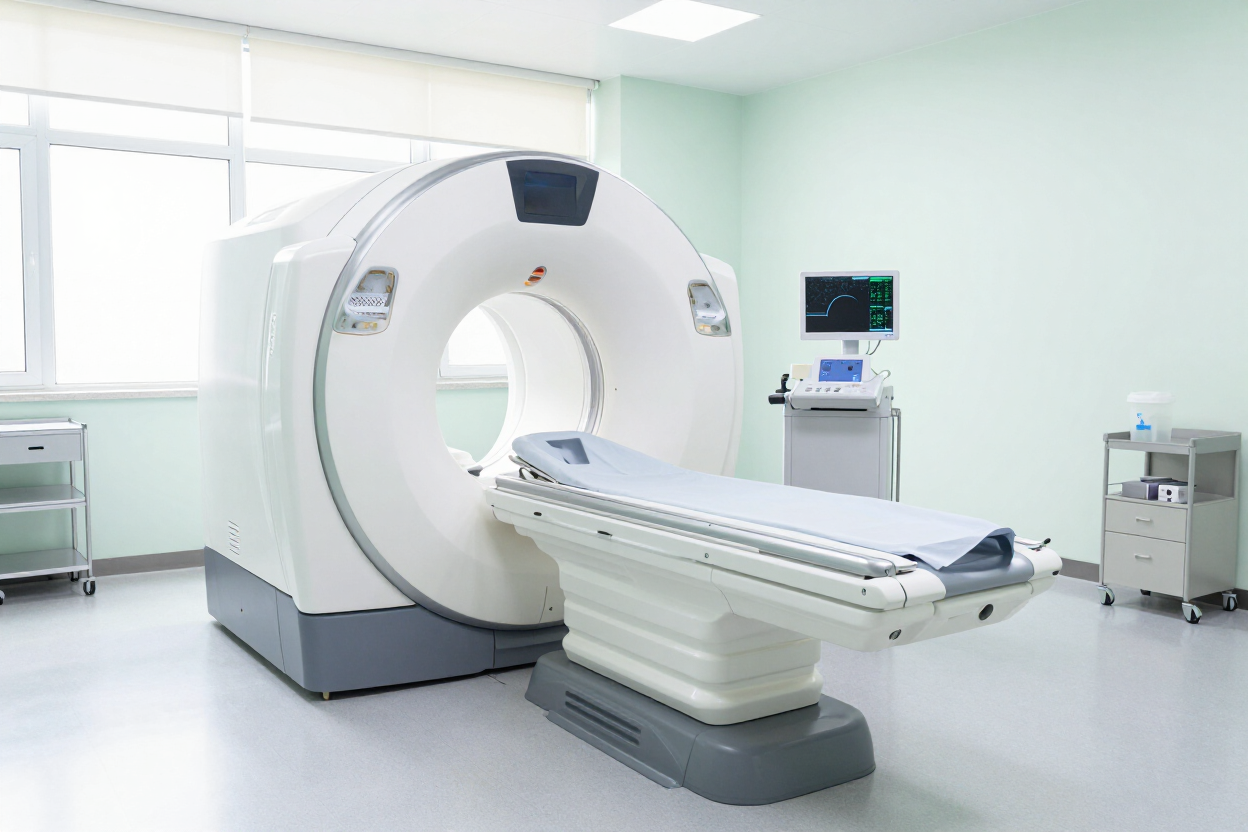
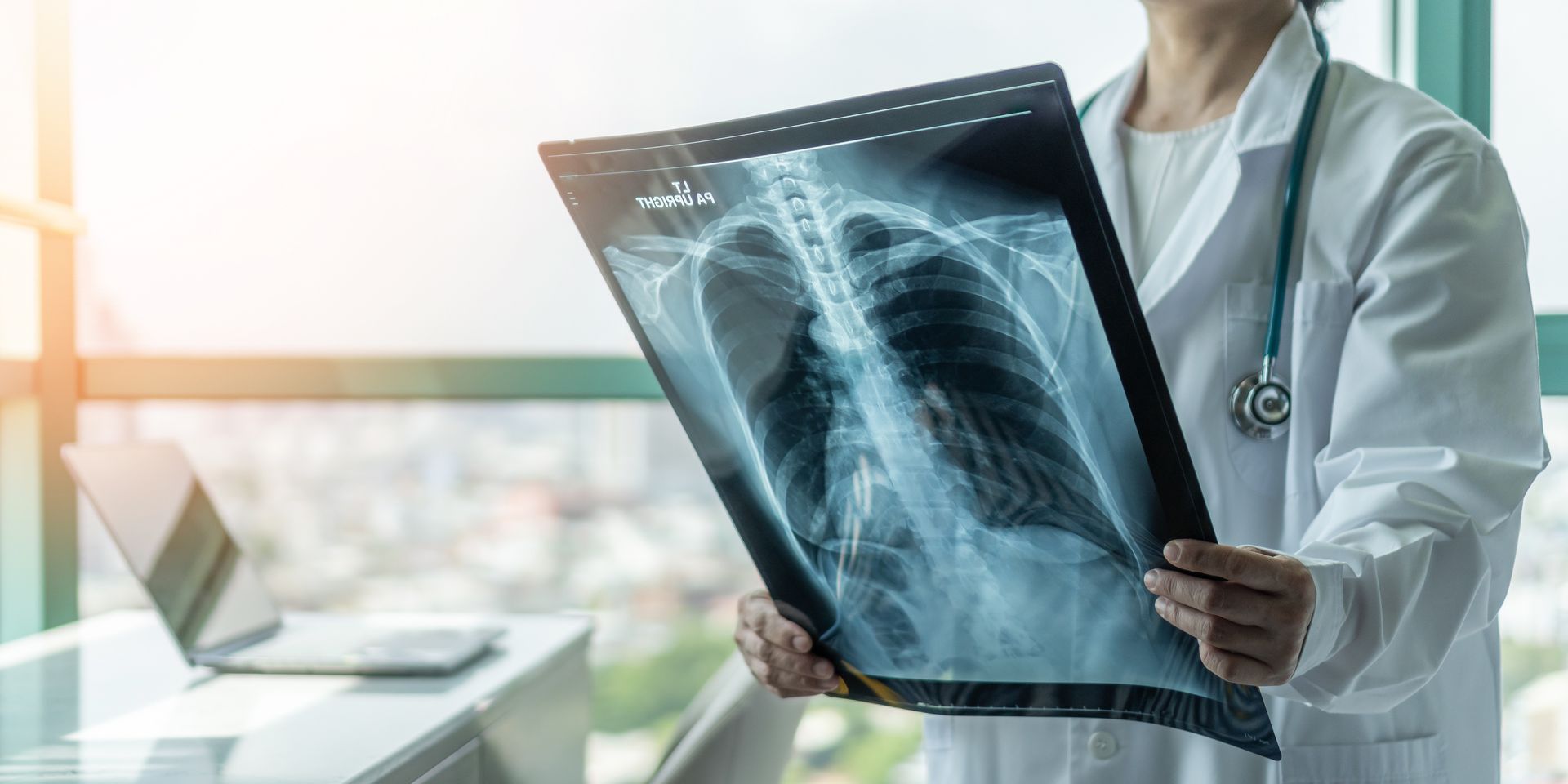
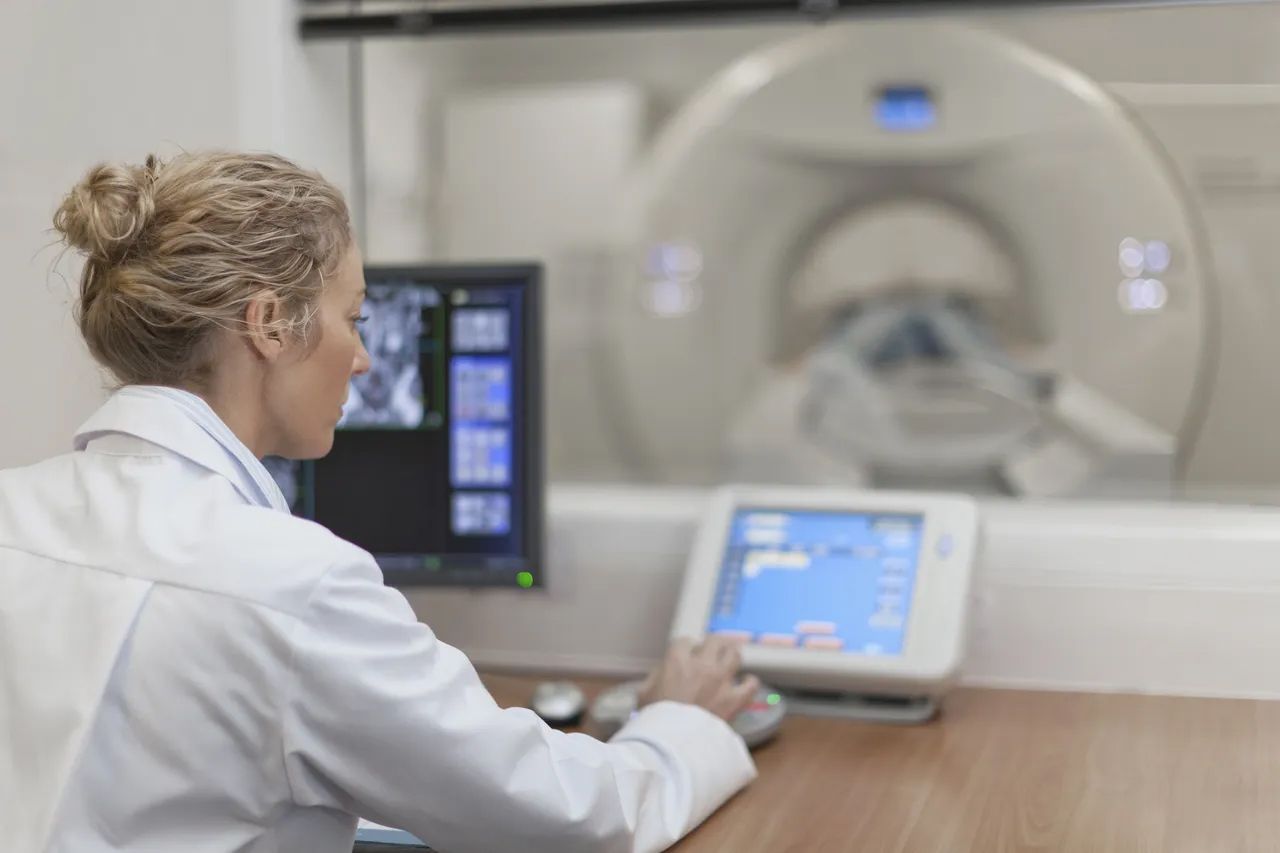
- Detailed Diagnostic Assessment: Healthcare professionals can perform exams and imaging tests to detect injuries not visible during a standard physical review.
- Monitor Changes: Keep a diary of symptoms to help your provider identify gradual changes, which can be especially important for neck or back pain.
- Follow-Up Care: Even if initial assessments seem reassuring, scheduled follow-ups can uncover delayed reactions from the injury.
Residents in and around areas like St. Augustine, FL, understand the importance of prompt medical attention. Early and proactive evaluation sets the foundation for tailoring the best treatment strategy, ultimately fostering a smoother and safer recovery journey.
Navigating the Maze: Challenges in Locating Quality Care After an Accident
When coping with the aftermath of a car accident, finding a healthcare provider who truly understands your needs can be daunting. Many accident survivors face a multitude of obstacles that delay or complicate access to urgent care. One key challenge is identifying specialists experienced in trauma-related injuries. Often, local options in regions like St. Augustine, FL, might be limited or overwhelmed by increased demand following emergencies.
Additionally, gaps in communication between emergency services and specialized care teams can hinder timely treatment. Survivors may experience uncertainty about which type of provider—be it an orthopedic specialist or a neurological expert—is best suited for their specific injuries. This can lead to unnecessary delays in receiving critical follow-up care.
To overcome these challenges, consider these actionable steps:
- Compile a list of local medical facilities known for trauma care.
- Ask for recommendations from trusted community members or emergency personnel.
- Verify insurance compatibility and appointment availability before scheduling.
By proactively addressing these hurdles, you can streamline the process of finding the right care. This ensures prompt treatment that supports an effective recovery roadmap after your accident.
Expert Navigation: Connecting You to Specialist Care
After a car accident, the journey to recovery often starts with quickly identifying the right healthcare providers. Specialized services serve as a critical link between patients and experts who focus on injury care. These systems are designed to streamline the process, ensuring that every patient is matched to a provider whose expertise aligns with their injury profile. With a network of dedicated specialists in areas such as neck, back, and spinal injuries, individuals in regions like St. Augustine, FL, benefit from timely access to advanced care.
Here’s how such services can guide you effectively:
- Tailored Provider Matching: They assess your specific needs and connect you with professionals experienced in handling trauma-related injuries.
- Streamlined Referral Process: Quick and efficient referrals help reduce delays in diagnosis and treatment.
- Local Expertise: Focused on serving communities, these services leverage local healthcare networks to ensure convenient access to care.
By understanding these mechanisms, you gain the confidence to navigate your recovery journey actively. This practical, step-by-step approach empowers you not only to seek immediate help but also to lay the foundation for long-term rehabilitation and well-being.
Essential Medical Evaluation FAQ
What steps should I take immediately after an accident?
Begin by seeking a thorough evaluation from a trusted healthcare provider. An initial assessment helps identify hidden injuries, even when symptoms seem minor.
How do I know if diagnostic tests are needed?
Persistent pain, dizziness, or unusual numbness may indicate injuries that require advanced imaging, such as MRIs or CT scans, to get a complete picture.
What are the key components of a comprehensive evaluation?
A reliable assessment includes:
- A detailed physical examination
- Imaging to identify soft tissue damage
- Neurological tests if symptoms extend to the extremities
How do delayed symptoms affect treatment decisions?
Some injuries manifest days after the accident. Follow-up evaluations are crucial to catch any emerging conditions early, ensuring appropriate intervention.
What should I expect during subsequent check-ups?
Expect detailed discussions about your symptoms, reassessments, and adjustments in your treatment plan as necessary. Clinicians in areas like St. Augustine, FL, are adept at recognizing the unique challenges post-accident.
When should I seek further medical advice?
If pain worsens or new symptoms arise, contact your healthcare provider immediately for additional evaluation and care.
Final Steps for a Quick and Confident Recovery
Now that you've explored the key considerations following a car accident, it's time to take definitive action toward a full recovery. Begin by assessing any lingering symptoms and seeking immediate medical evaluation to rule out hidden injuries. Effective post-accident care hinges on timely intervention, clear communication with healthcare providers, and a structured follow-up plan.
Consider the following steps:
- Document Symptoms: Keep a detailed log of any pain, discomfort, or changes in your condition.
- Schedule an Examination: Consult with a healthcare professional experienced in trauma care, particularly if you’re in St. Augustine, FL.
- Prioritize Imaging Tests: If symptoms persist or worsen, discuss the possibility of diagnostic imaging to uncover any soft tissue injuries.
- Follow Up on Treatments: Maintain regular appointments to ensure your recovery is on track.
- Rest and Rehabilitate: Incorporate adequate rest and recommended physical therapy into your routine.
By taking these actionable steps, you empower yourself to manage your health effectively after an accident. Your proactive approach is the key to a successful recovery journey—every small step builds confidence and lays the foundation for long-term well-being.