
Do You Need an MRI After a Car Accident?

Unlocking the Power of Advanced Imaging
After a car accident, the body’s inner workings might reveal signs of injury that are not immediately visible. Advanced imaging tests, like MRI scans, play a crucial role in uncovering hidden damage. Unlike X-rays, MRIs provide detailed views of muscles, ligaments, and soft tissues—critical areas where impact injuries often reside. This comprehensive imaging can detect bruising, tears, or swelling that might otherwise go unnoticed, ensuring that no critical detail is overlooked.
In this section, we explore how MRI technology can give you a clearer picture of injury severity and guide essential treatment decisions. You’ll learn:
- How MRI scans differentiate between soft tissue injuries and more severe complications.
- The benefits of early detection, especially for individuals recovering in regions such as St. Augustine, FL.
- A step-by-step overview of what to expect during the scan process.
By understanding the capabilities of MRI imaging tests, you can make more informed decisions about your health post-accident. Get ready to dive into practical advice and actionable tips that can help you navigate recovery with confidence.
Decoding Diagnostic Imaging: X-rays Versus MRIs
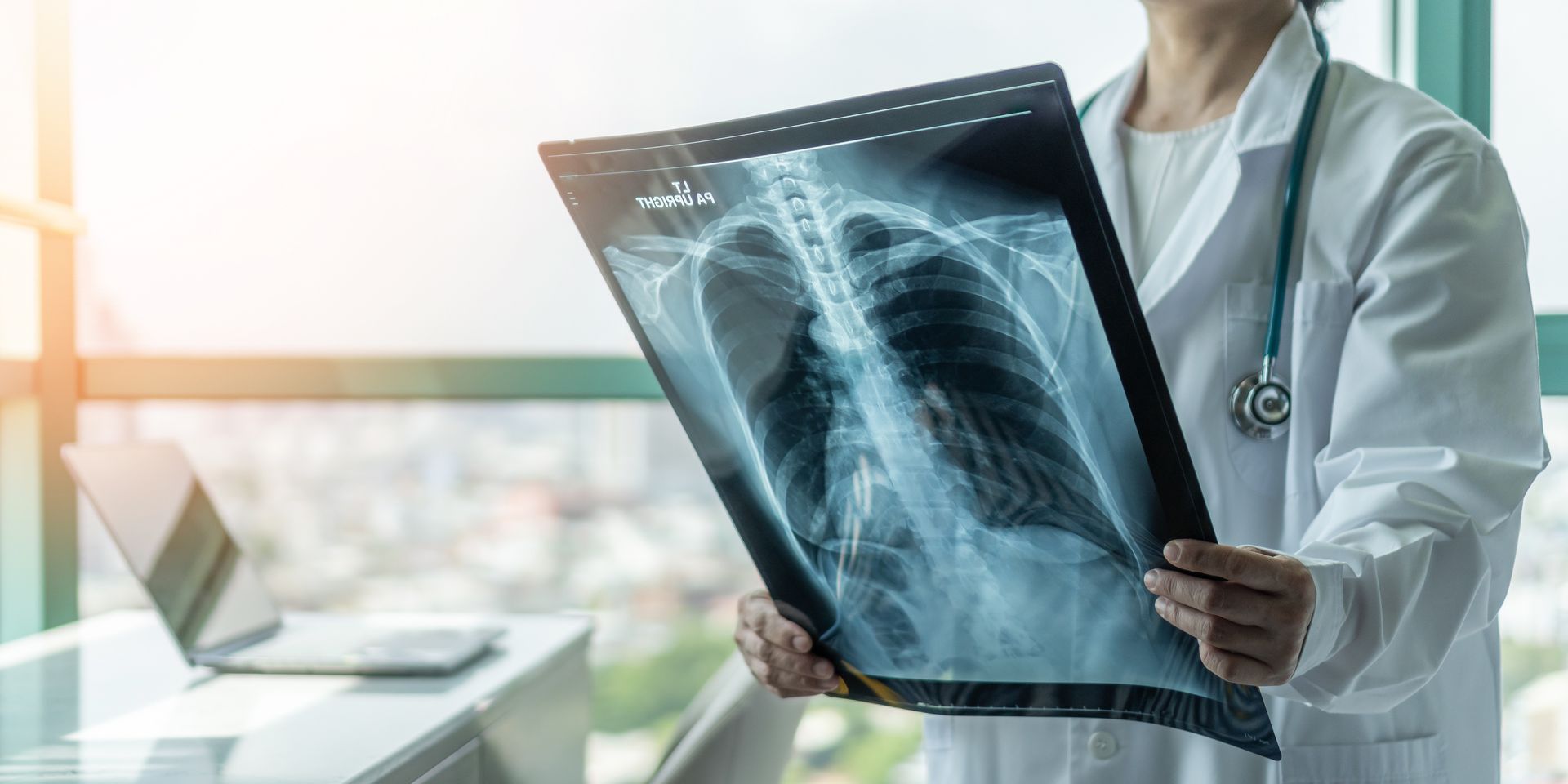
After an accident, knowing which imaging method best identifies your injuries can guide timely and effective treatment. X-rays are the go-to tool for visualizing bone fractures, dislocations, and other skeletal issues. Their speed and accessibility make them ideal for initial assessments, especially when time is of the essence. However, if soft tissue damage is suspected—like ligament tears, muscle strains, or joint injuries—a magnetic resonance imaging (MRI) scan provides a more detailed view by capturing high-resolution images of cartilage, muscles, and other soft tissues.
When considering your recovery plan:
- X-rays: Excellent for detecting bone irregularities and fractures.
- MRIs: Superior in revealing soft tissue damage and internal injuries that may not be visible on an X-ray.
Local healthcare facilities in St. Augustine, FL, often utilize both techniques to ensure comprehensive diagnostic information. This balanced approach helps tailor effective treatment plans, allowing for precise evaluations and targeted care. Understanding these differences empowers you to ask the right questions and advocate for the most appropriate imaging method, ultimately leading to a quicker, safer recovery.
Frequently Asked Questions
What signs after a car accident indicate an MRI may be necessary?
If you experience persistent or worsening pain, especially in your neck or back, an MRI can help detect soft tissue injuries or ligament damage.
How do delayed symptoms factor into the decision for an MRI?
Often, adrenaline after a crash masks injuries. Once this effect wears off, persistent stiffness, numbness, or headaches may prompt physicians to order an MRI for a thorough evaluation.
Can an MRI help identify hidden internal injuries?
Yes, particularly when internal discomfort or subtle neurological issues, such as tingling in extremities, suggest damage that is not visible through standard examinations.
When should I consider an MRI in case of radiating pain?
If pain extends to your arms or legs, it might indicate nerve compression. An MRI assists in pinpointing the exact location and severity of such injuries.
Is an MRI advisable for concussion symptoms?
While not routine for all head injuries, persistent cognitive issues or severe headaches after a collision may warrant an MRI to rule out brain injury, especially in areas like St. Augustine, FL.
Unearthing the Unseen: How MRI Detects What X-Rays Miss
In many car accidents, injuries may not be immediately visible on standard X-rays. However, an MRI can reveal hidden damage that might otherwise go unnoticed. This advanced imaging technology excels at detecting soft tissue injuries, which are common but often subtle. For example, MRI scans can uncover ligament tears, muscle strains, and even small cartilage injuries that lead to chronic discomfort if left untreated. They also provide a closer look at spinal disc damage and subtle signs of brain trauma, such as microbleeds or early signs of concussion.
Typical injuries often missed by X-rays include:
- Ligament and tendon tears
- Muscle injuries and strains
- Minor cartilage degradation
- Subtle spinal disc issues
Residents in and around St. Augustine, FL, can benefit from this detailed approach to ensure that no injury is overlooked. When pain persists after an accident, knowing whether an MRI is needed helps in establishing an effective treatment plan. Early detection through MRI not only informs appropriate care, it also helps expedite recovery, reducing the risk of long-term complications.
Precision Imaging: The Key to Tailored Recovery
Proper diagnostic imaging plays a vital role in creating an effective treatment plan after a car accident. Advanced imaging techniques, including MRIs and CT scans, provide a detailed view of the internal structures, revealing subtle injuries that may not be apparent during a physical examination. This clarity enables healthcare professionals to diagnose issues accurately and develop focused, personalized treatment strategies that reduce the risk of long-term complications.
By leveraging diagnostic imaging, medical experts can refine their approach in several ways:
- Accurate Injury Identification: Detecting anything from ligament tears to internal bleeding ensures that no detail goes unnoticed.
- Customized Treatment Protocols: Every injury presents uniquely; imaging helps tailor therapy to your specific condition.
- Monitoring Progress: Follow-up scans can track healing, allowing adjustments to treatment as recovery progresses.
- Risk Management: Early identification of hidden injuries minimizes risks and informs preventive care measures.
For patients in St. Augustine, FL, and surrounding areas, accessing prompt and advanced imaging services can be a decisive step toward a comprehensive recovery plan. This process empowers you to navigate your treatment journey with clear, actionable insights, ultimately enhancing your long-term healing outcomes.
Frequently Asked Questions About MRIs After an Accident
Do I Really Need an MRI?
After a car accident, an MRI can be essential in detecting hidden injuries that might not be immediately apparent. It provides detailed images of soft tissues and organs, helping ensure no internal damage goes unnoticed.
What Should I Expect During My MRI Appointment?
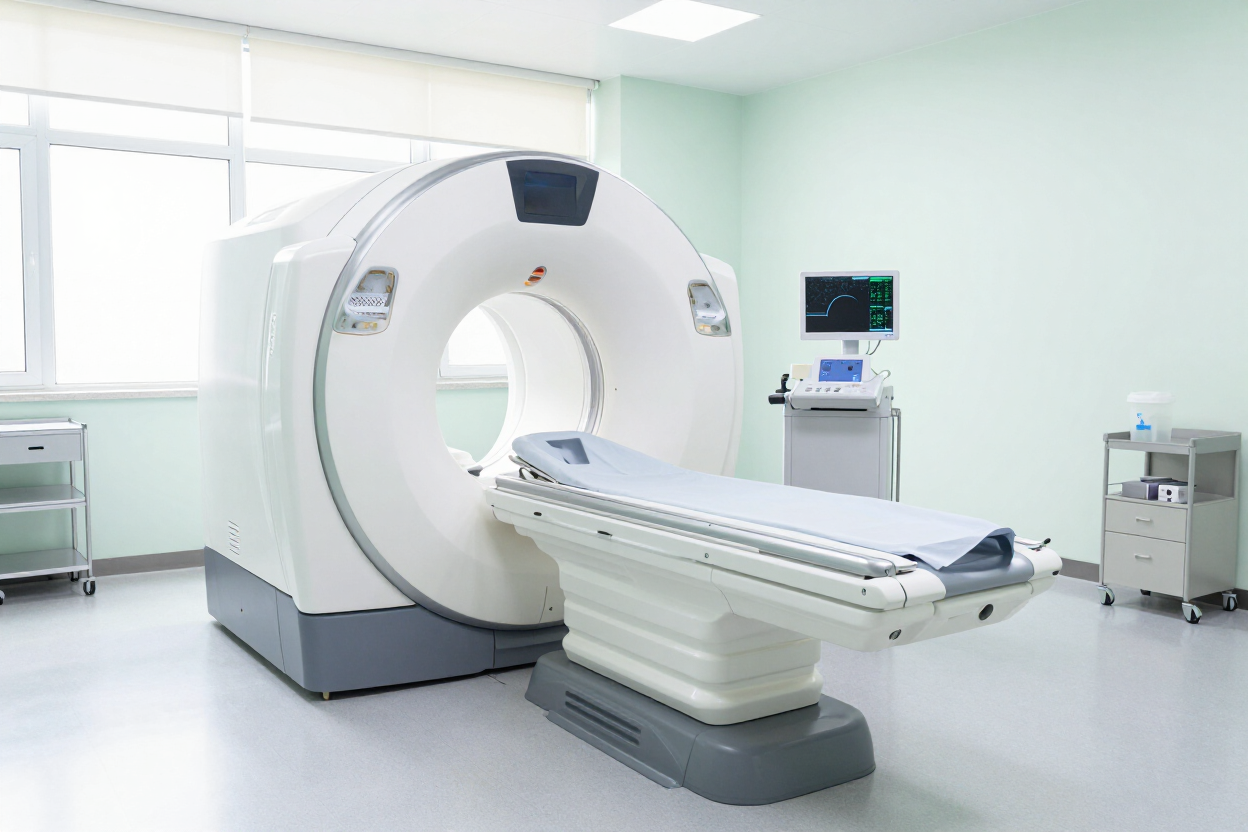
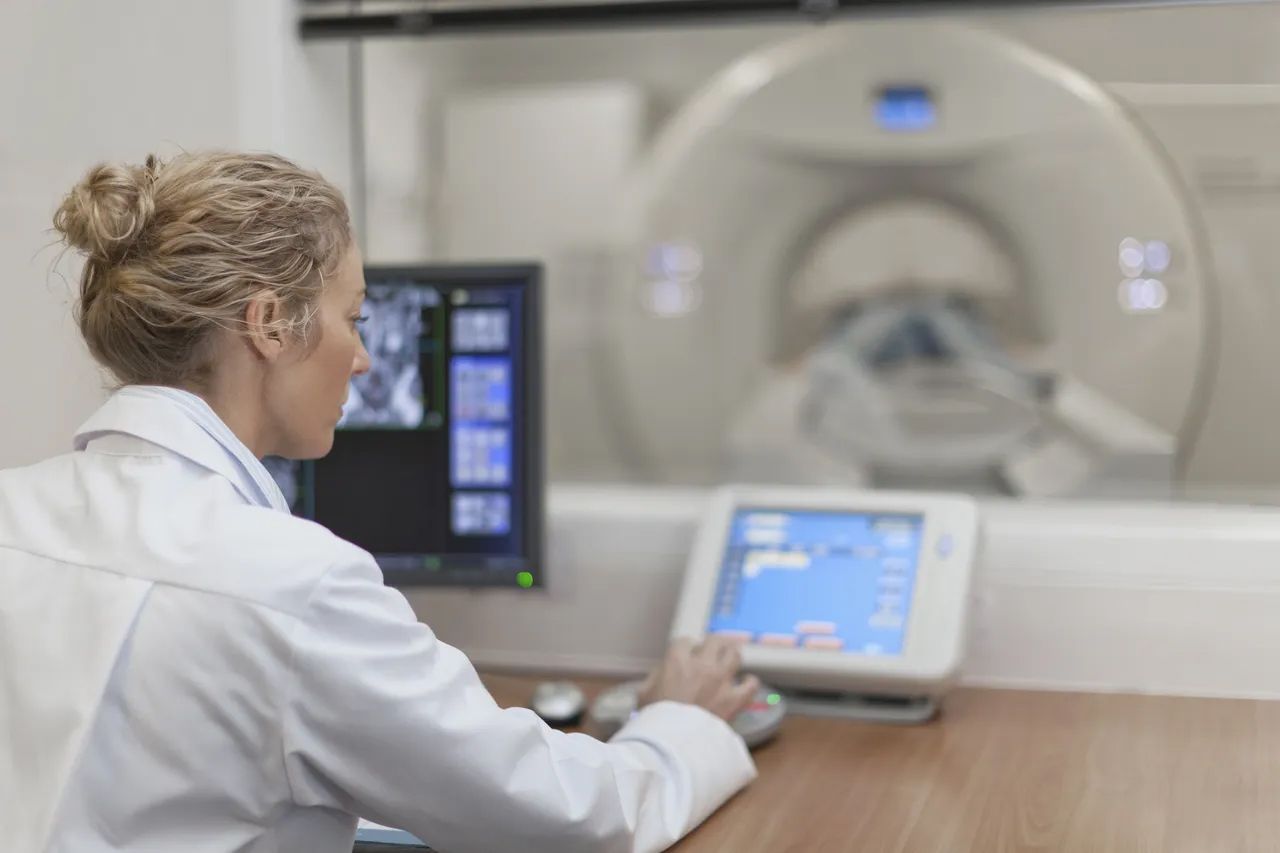
During your MRI scan, you will lie on a comfortable table that glides into a cylindrical machine. The procedure is painless, though the machine can be a bit noisy. Technicians will guide you through every step, ensuring you remain as relaxed as possible.
How Do I Schedule an MRI After a Car Accident?
Scheduling typically involves a referral from your attending physician or emergency department. Call your preferred imaging center, and inquire about availability. Local medical facilities in St. Augustine, FL, are equipped to arrange prompt appointments.
Are There Follow-Up Procedures If an Injury Is Detected?
Yes, if the MRI reveals any abnormalities, your healthcare provider will recommend follow-up tests or treatments to address the issue early on.
What If I Experience Discomfort During the Scan?
Let the technician know immediately. They can adjust settings or provide ear protection to enhance your comfort throughout the process.
A Final Word on MRI Evaluations for Swift Recovery
Ensuring a prompt and accurate diagnosis is key to effective recovery after a car accident, and MRIs play a crucial role in that process. By providing detailed images of soft tissues, bones, and internal structures, an MRI can uncover injuries that might go undetected with less sophisticated imaging. This comprehensive diagnostic tool helps confirm potential issues early, enabling you and your healthcare provider to implement a targeted treatment plan that speeds up recovery.
Key actionable steps include:
- Schedule an MRI if you experience persistent pains or unexplained symptoms after an accident.
- Consult with healthcare professionals who understand the nuances of trauma-related injuries.
- Monitor your recovery closely, noting any changes in symptoms that may require additional evaluation.
For those in regions like St. Augustine, FL, where local experts are well-versed in accident-related injuries, timely imaging assessments can lead to more personalized care. Embrace each small step towards recovery with confidence, knowing that an accurate diagnosis through an MRI is a smart investment in your long-term health. Your proactive efforts today pave the way for a healthier tomorrow.